Major historical events of November related to human and children’s rights center around the establishment of key international declarations and conventions by the United Nations.
Children’s Rights
- November 20, 1959: UN Declaration of the Rights of the Child. The United Nations General Assembly unanimously adopted the Declaration of the Rights of the Child, a foundational document outlining principles for the protection and well-being of children.
- November 20, 1989: UN Convention on the Rights of the Child (UNCRC). On the 30th anniversary of the Declaration, the UN General Assembly adopted the UNCRC. This convention is the most widely ratified international human rights treaty and is a legally binding document that enshrines the rights of children, including the right to education, health care, protection from harm, and the right to be heard.
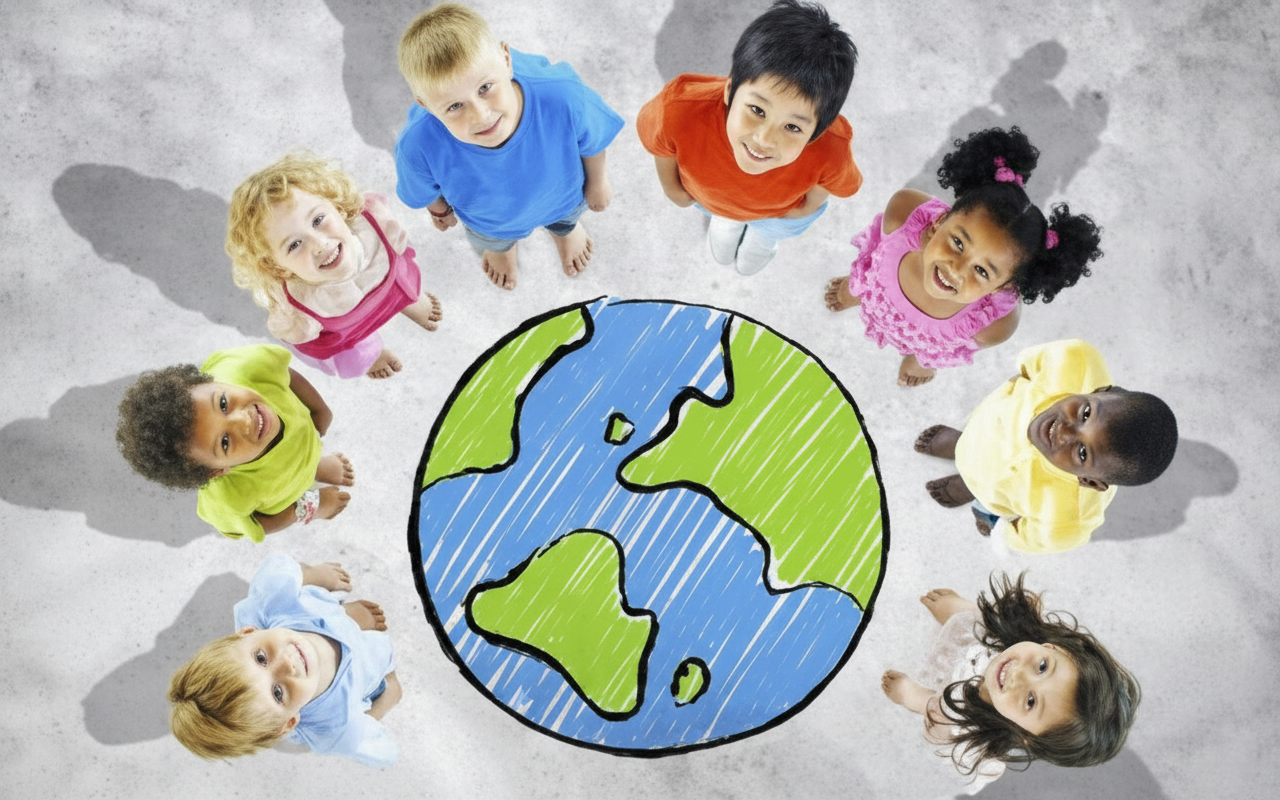
- World Children’s Day: This global day of action for children is celebrated annually on November 20th to commemorate the adoption of both the Declaration (1959) and the Convention (1989) and to promote international awareness and welfare for children worldwide.
Human Rights
- November 9, 1938: Kristallnacht (Night of Broken Glass). While not a positive event, this date marks a major historical human rights violation. It was a wave of violent anti-Jewish pogroms that took place throughout Nazi Germany and parts of Austria, foreshadowing the Holocaust and highlighting the need for robust human rights protections.
- Holodomor Genocide Commemoration: Commemorations are held in November for the millions of victims of the famine in Soviet Ukraine in 1932-1933, an event recognized by many as a genocide.
- Native American Heritage Month: Throughout November, events and discussions highlight the history, culture, and rights of Native American communities, including issues like food sovereignty, as part of a broader human rights context for Indigenous peoples.