
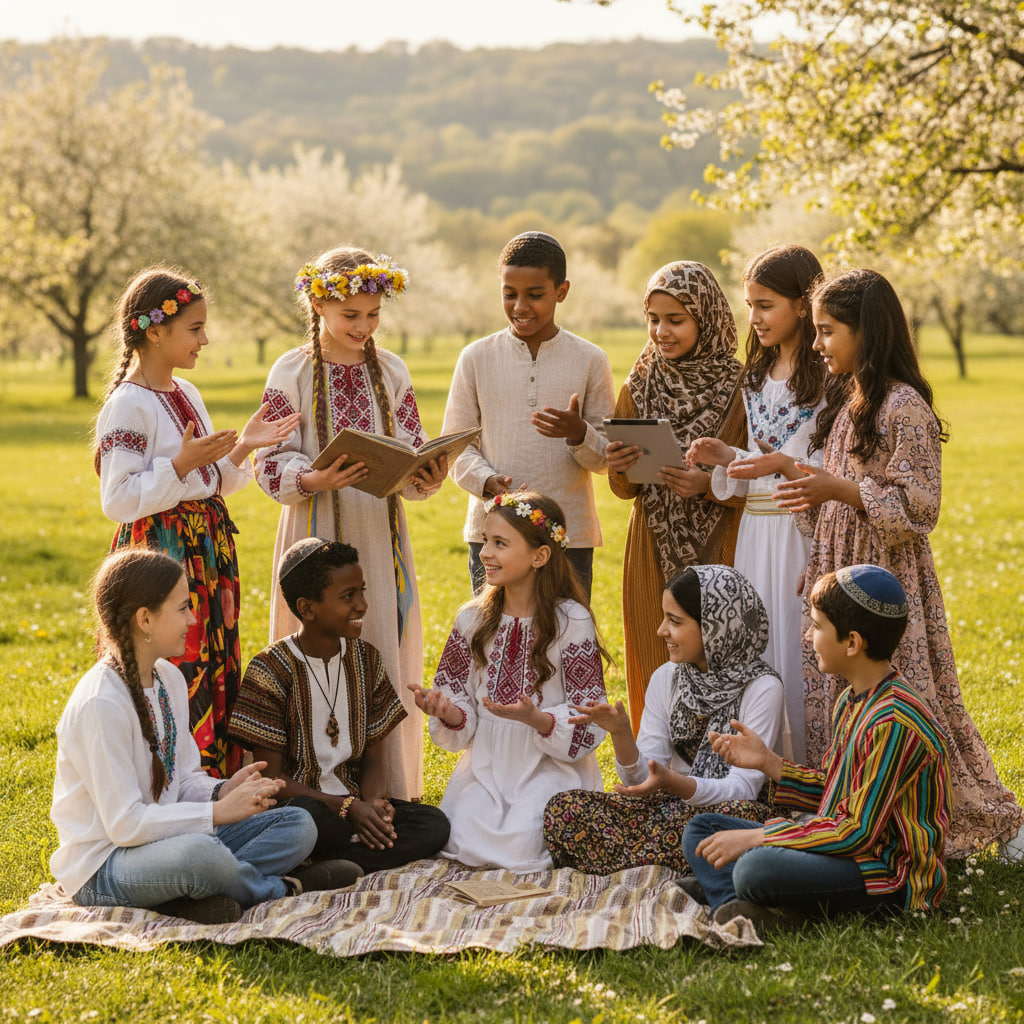
All children are equal. It’s one of those values we hold close, a moral compass we trust. But somewhere along the way, that ideal became distorted. In an effort to treat every child the same, we began erasing what makes them different.
Equality sounds noble, but in practice, it can become a form of blindness. When we smooth out the edges of individuality, we lose the stories, languages, and traditions that shape a child’s sense of self.
Equality should never mean sameness. Real equity begins with curiosity, the willingness to ask who this child is, what they need, and what world they come from. It’s about learning, not assuming. It’s about serving every child not as a blank slate, but as a whole human being with roots worth protecting. Because when we honor identity, we don’t just raise children, we raise stronger, more connected generations.
In the United States, the Indian Child Welfare Act (ICWA) was rightly established in 1978 to protect Native American children from losing their culture and heritage through foster care removal.
But equality demands a hard question: why should only some children receive cultural protection, while others, equally displaced, do not?
ICWA isn’t just about a single ethnicity — it’s a model for how systems can center culture, dignity, and continuity rather than assuming assimilation is the default.
Cultural identity is not optional. Removing a child from their heritage inflicts invisible wounds that last a lifetime.
Selective protection undermines equity. When we provide cultural rights only to one group, we tacitly mark others as less worthy of care.
The principles of ICWA, cultural continuity, community input, and respect for heritage, should be enforced in every child welfare intervention, regardless of background.
Any child—whether from Ukraine, Ethiopia, Afghanistan, Jewish, Catholic, or Muslim deserves the same right to preserve their language, faith, traditions, and identity. Protecting one group while ignoring others communicates a dangerous hierarchy of value.
Below are real examples from Los Angeles County. These are children currently facing identity erasure while in care:
- Ukrainian siblings (ages 7 and 9): Ukrainian war refugees were placed in a foster home with no shared language, familiar food, or cultural connection. Their foster family was unwilling to accept help, support, or learn about the children’s cultural background. For over a month, the children were completely isolated from everything they knew or cherished. During that time, the language barrier made visits or phone calls with their parents impossible.
- Ethiopian child (age 6): When her father fell ill, she was placed in a Black family’s home, supposedly because of skin color similarity. Community volunteers who speak Amharic offered cultural support, but social services refused, saying, “The family is Black, so it’s fine.” The child had been disconnected from her language and traditions for over six months.
- Afghan toddlers: After their parents faced legal intervention, the children entered foster care. Case workers incorrectly recorded their home language and ignored parental requests for halal food, mislabeling the siblings as “vegetarian.” A basic dietary need and their native language were turned into something entirely different by cultural ignorance.
- Jewish teen (age 16): A survivor of domestic violence requested kosher meals. After waiting in emergency care for hours, he was given a cheeseburger. When he refused to eat it, the staff treated him as unreasonable rather than respecting his faith. The placement worker also refused to look at the list of Jewish-affiliated licensed homes and was trying to convince the teen that he had no options but to accept any random foster home suggestion.
It requires no specialized research to recognize that, in all such cases, the mental health of displaced children is placed under severe strain. Equally, their physical well-being is jeopardized when faith-based dietary rules or culturally specific medical practices are disregarded. Elevated stress levels, compounded by isolation and misunderstanding, pose serious risks to both their immediate and long-term health. When their language and cultural needs are overlooked, their sense of security erodes, trust fractures, and the foundation of emotional stability begins to crumble. The future for children who feel disconnected from their roots becomes uncertain and precarious.
LB Life Resource continues to propose a Cultural Broker Network, a coordinated team of trained volunteers who bridge the gap between child welfare systems and the diverse cultural needs of children in care.
These cultural liaisons would:
• Facilitate communication between children, families, and professionals through translation and cultural mediation.
• Educate foster caregivers about cultural, religious, and dietary practices essential to each child’s well-being.
• Provide access to familiar comforts such as traditional food, music, faith-based resources, and native language exposure.
• Support ongoing connections with biological families to preserve identity and belonging.
At the same time, systemic reform is critical. Cultural preservation must become a measurable standard of care, embedded in the practices of caseworkers, courts, and service providers, as an optional courtesy.